
Importance of Hygiene in Daily Life
In today’s fast-moving world, maintaining proper hygiene is not just a habit—it is a necessity. Good hygiene practices play a vital role in keeping us healthy, preventing diseases, and improving our overall quality of life. Whether at home, work, or in public places, hygiene affects every aspect of our daily routine.
What is Hygiene?
Hygiene refers to the practices and habits that help maintain cleanliness and promote good health. It includes everything from personal cleanliness to maintaining a clean environment around us. Simple actions like washing hands, using clean tissues, and keeping surroundings tidy can make a big difference in our health.
Personal Hygiene and Health
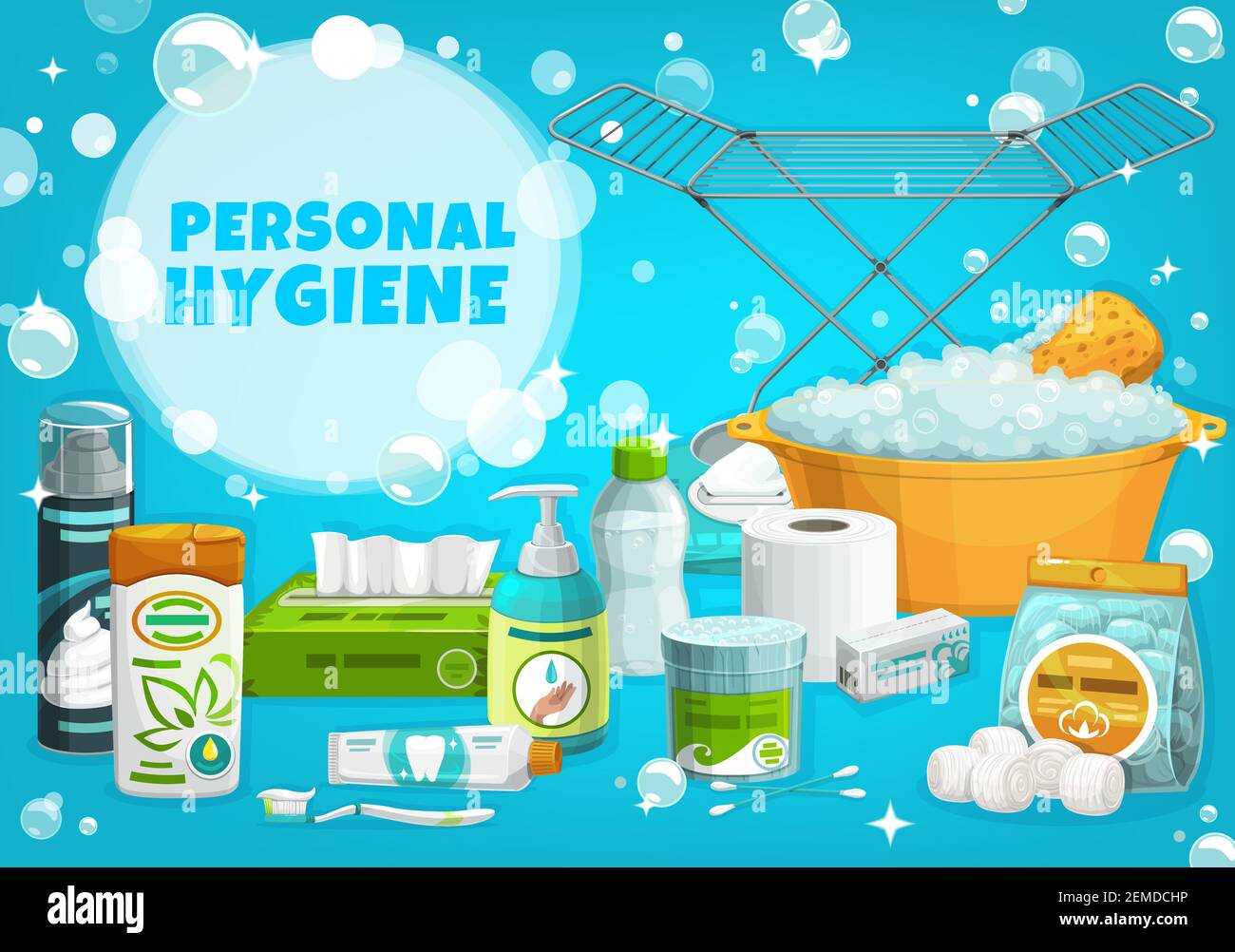
Personal hygiene is the foundation of a healthy lifestyle. It includes daily habits such as bathing, brushing teeth, washing hands, and using clean napkin tissues.
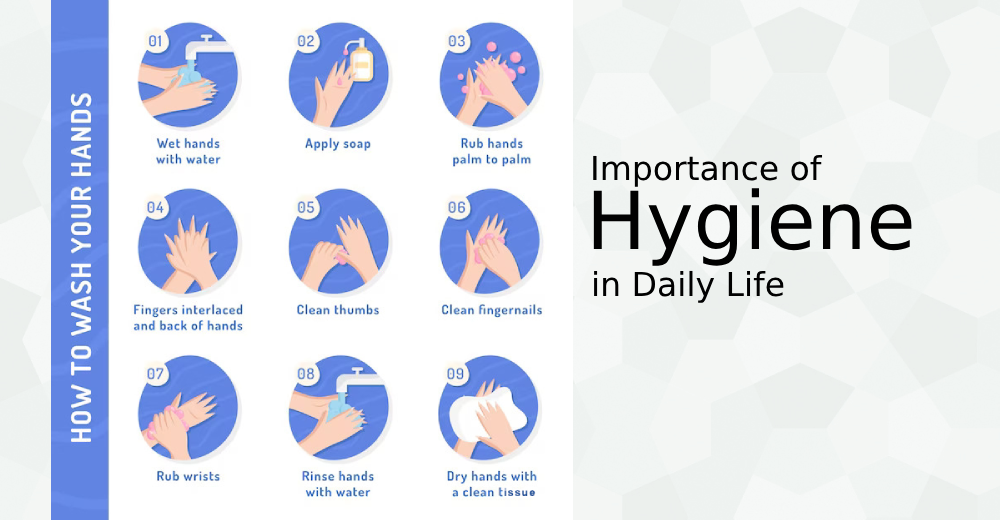
One of the most important aspects of personal hygiene is hand hygiene. Our hands come into contact with countless surfaces throughout the day, making them a major carrier of germs. Regular handwashing or using tissues can significantly reduce the spread of infections.
Using soft and clean napkin tissues instead of cloth helps prevent the transfer of bacteria and viruses. Disposable tissues ensure that germs are not reused, making them a safer and more hygienic option.

Prevention of Diseases
Good hygiene is one of the most effective ways to prevent diseases. Many illnesses, such as colds, flu, and stomach infections, spread due to poor hygiene practices.
For example:
- Covering your mouth with a tissue while sneezing prevents germs from spreading in the air.
- Proper disposal of used tissues reduces contamination.
- Cleaning surfaces regularly helps eliminate harmful bacteria.
By following these simple practices, we can protect ourselves and others from infections.
Why is hygiene important in daily life?
Hygiene helps prevent diseases, improves health, and ensures a clean and safe environment.
How can tissues help maintain hygiene?
Tissues prevent the spread of germs by providing a clean and disposable option for daily use.
What are basic hygiene practices?
Handwashing, bathing, cleaning surroundings, and using hygienic products.